
Cavalier King Charles Spaniels in Canada: health, breeders and price
A field guide to life with a Cavalier King Charles Spaniel in Canada: what the breed is like to live with, which heart and eye tests matter, what a puppy costs in Canadian dollars, and how to find a careful breeder from Victoria to Halifax.

A small spaniel with a large appetite for company
The Cavalier is a toy spaniel bred for company. The UK breed standard calls the temperament gay, friendly and non-aggressive, with no tendency to nervousness, and most owners would add one more word: present. A Cavalier wants to be in the room you are in, on the walk you are taking and, given half a chance, on the sofa cushion you have just warmed.
It is small without being fragile. The Canadian Kennel Club standard asks for 30.5–33 cm (12–13 in) at the shoulder and 6.25–8.25 kg (14–18 lb); the UK Royal Kennel Club sets weight only, at 5.4–8.2 kg (12–18 lb). The coat is long and silky, left untrimmed for the show ring, and comes in four colours: Blenheim, tricolour, ruby, and black and tan. The colour guide explains the lozenge spot that breeders prize on a Blenheim's head.
Canada has known the breed for decades. The Canadian Kennel Club recognized it in 1957 and places it in Group V, Toys, and the Cavalier King Charles Spaniel Club of Canada has worked with owners and breeders since 1973. The full breed profile traces the story back to 1926, when an American visitor offered prizes at Crufts for spaniels of the old, longer-nosed type.
Plan on a lifespan of roughly 10 to 14 years. UK veterinary-record data puts the average nearer 10½, shorter than many toy breeds. The heart is the main reason.
The real price of a Cavalier's first year
A puppy from a breeder who health-tests both parents usually costs roughly $2,000 to $4,000. Spot Pet Insurance's Canadian guide gives $2,000–$3,500 as the common range, with show-bred puppies closer to $4,500. Classified ads at around $1,000 are a warning sign, not a bargain. The Cavalier King Charles Spaniel price in Canada, the figure on a breeder's contract, is only the opening line of the budget.
The first year brings vaccinations (about $280–$300 for the series), a microchip ($60–$80), spaying or neutering ($150–$500), food, a crate, a bed and insurance. The Ontario Veterinary Medical Association has estimated the yearly cost of keeping an adult dog at about $5,118 including insurance. A Cavalier needs one more line that most budgets forget: regular heart checks with a veterinary cardiologist from the first birthday. The calculator lets you set each figure yourself and watch the total move.
First year with a Cavalier
Raising a Cavalier King Charles Spaniel in Canada, province by province
Laws, clubs, rescue contacts and January weather change between Victoria and Halifax, so each region has its own page.
Ontario
The PAWS Act, the 2024 puppy-mill amendment, rabies rules at three months and the cardiology service at Guelph.
Read the notes on OntarioQuebec
The February 2024 welfare regulation in plain English, no regional club, and the 2027 National Specialty in Terrebonne.
Read the notes on QuebecBritish Columbia
Wet coastal winters, ferry trips with a toy dog, and why the BC Cavalier club's rehoming list is closed for now.
Read the notes on British ColumbiaAlberta
Edmonton's deep cold, Calgary's chinook swings, and what a small dog with a heart risk needs from an Alberta winter.
Read the notes on AlbertaMaritimes
An Atlantic Cavalier club with no website, the Nova Scotia SPCA and PEI Humane Society, and damp coastal winters.
Read the notes on MaritimesFor herding-dog people: the Shetland Sheepdog
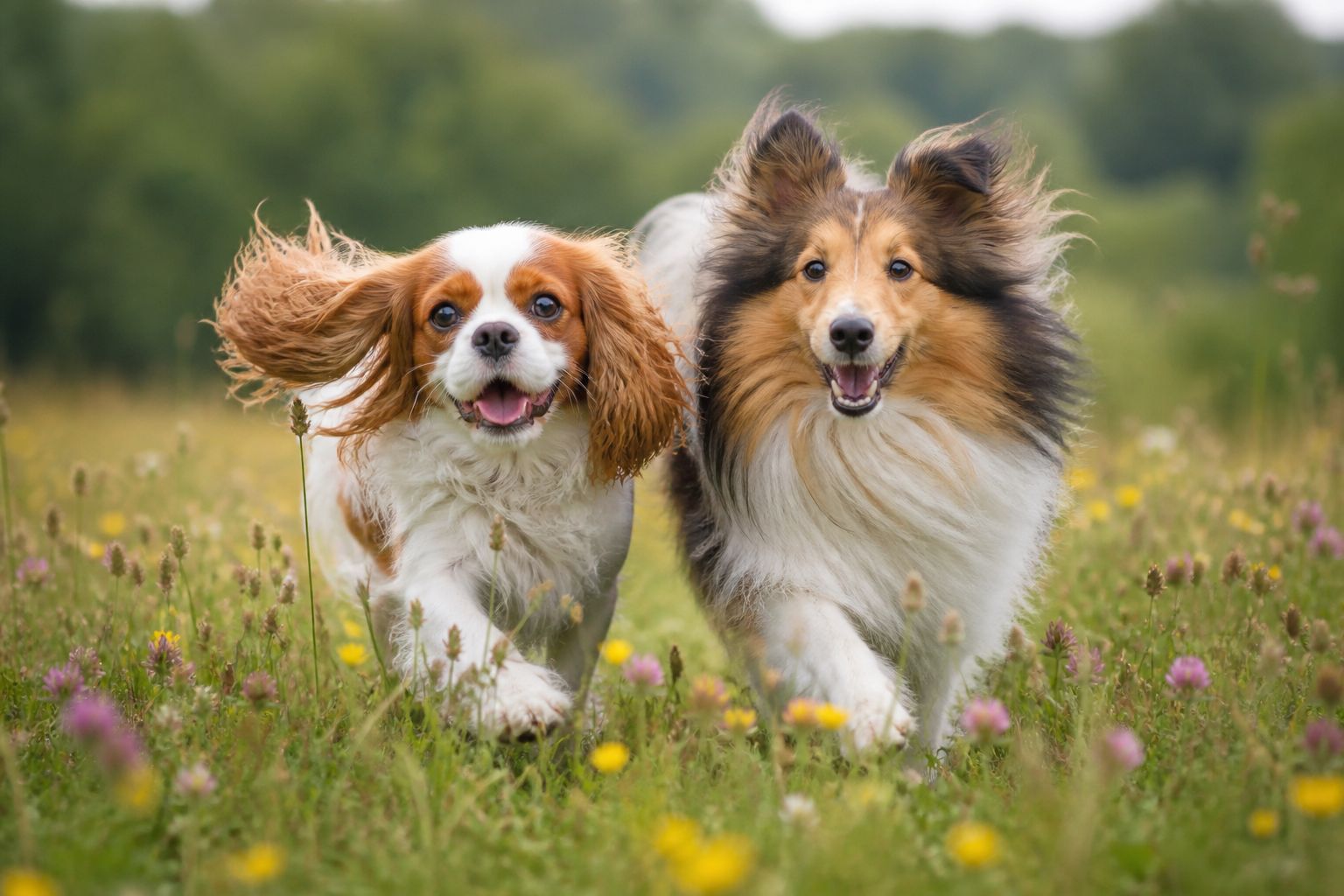
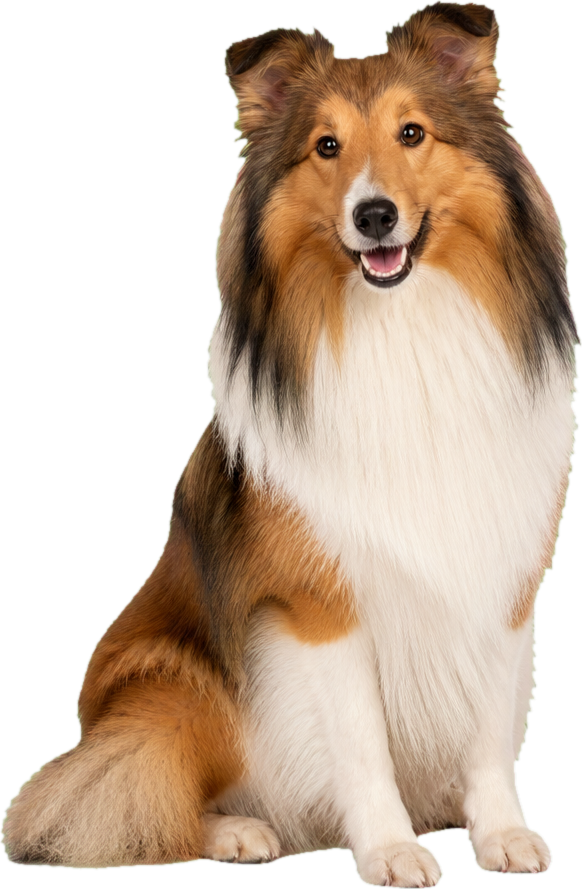
Some households that start out reading about Cavaliers end up with a Sheltie, and it happens the other way round too. The Shetland Sheepdog has been recognized by the CKC since 1930, belongs to Group VII, Herding, and stands 33–40.75 cm (13–16 in) at the shoulder. Its Canadian standard describes a dog that is intensely loyal, affectionate and responsive, and that may be reserved with strangers without being fearful.
The double coat sheds hard in season. About 15 per cent of Shelties carry the MDR1 mutation, according to Washington State University, which makes some common drugs dangerous, so a DNA test before any treatment is a sensible habit. The side-by-side comparison sets the two breeds against each other on grooming, exercise, health and winter.
Health before looks
Mitral valve disease is the breed's best-known problem. A 1993 US study of 394 Cavaliers heard murmurs in 56 per cent of dogs under five and in every dog aged ten or older. Swedish screening found murmurs in roughly half of six-year-olds.
The Cavalier King Charles Spaniel Club of Canada recommends screening by a cardiologist from age one, with a stethoscope and an echocardiogram, because a routine vet visit is not enough. The Ontario Veterinary College Cardiology Service at Guelph offers echocardiography and says it has two of only 25 board-certified veterinary cardiologists in Canada. Eye exams, hips, knees and MRI screening for syringomyelia are set out in the health testing guide.
Finding breeders and puppies the careful way
Start with two official lists: the CKC Puppy List, which lets you search member breeders by breed and province, and the breeder directory of the national Cavalier club, whose members agree to its Code of Ethics. Visit, meet the mother, and ask to see the parents' heart results on paper. The breeder guide has the full list of questions.
When you compare Cavalier King Charles Spaniel puppies across Canada, the paperwork says more than the photos: CKC registration for the parents and the puppy, a written contract, and test results with dates. Age matters as well. Quebec has required puppies to stay with their mother for at least eight weeks since 10 February 2024, and Ontario's 2024 puppy-mill amendment counts earlier separation among the signs of a puppy mill.

The first weeks at home with a puppy
A new puppy needs a quiet corner, a crate it can see out of and small meals at set times. Most vets give a vaccine series at roughly 8, 12 and 16 weeks; the AAHA guidelines used across North America call for at least three core doses between 6 and 16 weeks. In Ontario, rabies vaccination is required by law once a dog is three months old.
Winter adds a routine of its own. The BC SPCA warns that sidewalk salt and ice melt can hurt a dog's paws, so wash and dry the feet after every walk, and keep antifreeze locked away, because it is extremely poisonous to pets. Dogs with medical conditions such as heart disease are more at risk in the cold. The puppy care guide covers the first months week by week, from the first vet visit to the first cardiology appointment at one year.
Questions people ask
1How much does a Cavalier King Charles Spaniel puppy cost in Canada?
In Canada, Cavalier King Charles Spaniel puppies usually cost roughly $2,000 to $4,000 from a breeder who health-tests the parents, and show-bred puppies can reach about $4,500. Spot Pet Insurance says an adopted Cavalier can cost as little as $100–$300. A price far below the usual range should make you ask why. The cost calculator adds vet care, insurance and food for the first year.
2How do I find a good Cavalier breeder in Canada?
Begin with the CKC Puppy List and the breeder directory of the Cavalier King Charles Spaniel Club of Canada. The CKC itself suggests contacting the national breed club for referrals and removes breeders who do not meet its standards. Then visit, meet the mother, and ask to see heart results from a cardiologist along with eye, hip and knee checks.
3Do all Cavaliers get heart murmurs?
Not every one, but most do sooner or later. A 1993 US study found murmurs in 56 per cent of Cavaliers under five and in all dogs aged ten or more. Breeding guidelines used by the national club aim to push the onset later: breed only dogs that are murmur-free at two and a half years, with parents still clear at five, and check them with a cardiologist.
4How long does a Cavalier King Charles Spaniel live?
Around 10 to 14 years is a fair expectation. Research from the Royal Veterinary College's VetCompass project, based on UK veterinary records, puts the average nearer 10½ years, and heart disease is the main reason the figure sits below many other small breeds. Regular cardiology checks will not change a dog's genes, but they show you and your vet how the heart is changing over time.
5Can a Cavalier handle a Canadian winter?
Yes, with some care. Walk a Cavalier through a Canadian January and you meet road salt, cold pavement and short days. Wipe and dry the paws after walks, check between the toes, and try booties or a paw protectant as the Ontario and BC SPCAs suggest. Toy breeds and dogs with medical conditions such as heart disease are more at risk from cold, so keep outings brisk on the coldest days.
6At what age can a Cavalier puppy leave its mother in Quebec?
At eight weeks at the earliest. Quebec's regulation on the welfare and safety of companion animals, in force since 10 February 2024, says puppies must stay with their mother for at least eight weeks. In Ontario, separating puppies before eight weeks is among the conditions described in the 2024 puppy-mill amendment to the PAWS Act. Elsewhere, ask the breeder directly and expect the same standard.
7Is a Cavalier or a Sheltie better for a family?
It depends on the household. A Cavalier is a friendly toy spaniel that wants to be close to its people. A Sheltie is a herding breed described as intensely loyal and affectionate, though it may be reserved with strangers. The Sheltie's double coat sheds heavily and takes more brushing, while Cavalier health checks centre on the heart. The Cavalier or Sheltie comparison goes through it point by point.
8Can I adopt a Cavalier in Canada instead of buying a puppy?
Sometimes, though patience helps. The national club's rescue rehomes only one or two dogs a year, usually older ones, and keeps a waiting list. The BC club's rehoming program is not taking applications at present. Provincial SPCAs and humane societies are worth checking as well. The rescue and adoption guide explains where to look and what an older dog's heart checks involve.